
My friend and I had been talking about traveling together for several years. However, we could never agree on a destination—her paths always led to warm, exotic lands, while I could never seem to get away from the mountains.
One day, we noticed that Sigur Rós, accompanied by a symphony orchestra, was planning a tour through the Scandinavian countries. We both love music, especially when it’s this good, so the decision to go to the concert was made instantly. All that was left was to choose the country! Maybe Sweden… or perhaps Denmark… But wait, Sigur Rós is an Icelandic band; it would be so much better to see them playing in their homeland. So, maybe Iceland? But the concert is in December! A trip to Iceland in winter? A trip to Iceland in winter it is!
Planning a Winter Trip to Iceland
While I like to plan my mountain trips with very precise routes and dates, I’m a bit more relaxed when planning a road trip. Here are the main things we had to arrange in advance (including the budget for the trip):
- Sigur Rós concert tickets: We bought the tickets at the beginning of the year through the Harpa Reykjavik Concert Hall website.
- Flights to Iceland: I used Skyscanner to search for and purchase the tickets, as it’s the most convenient platform for me. We bought them a few months before the concert and flew with SAS via Copenhagen. Price: €178 round trip.
- Accommodation in Reykjavik: Two months before the concert, we found our stay. As always, Booking.com was my go-to. We stayed at the Day Dream L23 Guesthouse, right in the city center. Price: €322 for five nights.
- Car Rental in Iceland: A few weeks before the flight, we reserved a car at the Reykjavik airport rental point via DiscoverCars. We picked a Toyota Aygo with an automatic transmission and winter tires. Price: €255 for six days.
- Currency: The currency is the Icelandic Króna (ISK). You can pay by card everywhere, so I didn’t carry any cash. I used both my Revolut and Wise cards. I used Revolut on weekdays when there is no currency conversion fee. On weekends, when their fee is 1%, I switched to Wise, which has a lower fee of 0.80%.
The day before the trip, we packed our bags and headed for the northern island often called a “dream country.”
What to pack for Iceland in winter:
- Windproof and waterproof jacket.
- Warm down jacket.
- Thermal layers: Warm thermal underwear is a lifesaver.
- Microspikes (crampons): It can be very slippery in winter, and national parks don’t use salt on the paths. I didn’t bring any, but I regretted it more than once.
- Warm hat and gloves.
- Warm, comfortable boots.
Iceland in Winter Day 1: Reykjavik and the Surrounding Areas
Iceland welcomed us with snow and sunshine. This was a huge joy because, in Lithuania in December, the sun only appears for a few hours a month, and snow is often missing entirely. After picking up our car at the airport, we headed toward the center of Reykjavik. We parked near the symbol of the city—the Hallgrímskirkja church—in a free parking zone. The church’s shape is unique, created by architect Guðjón Samúelsson, who was inspired by the country’s nature and the basalt columns formed by cooling lava. We visited these actual columns later in our trip.
Reykjavik is beautiful, albeit small. In the old town, colorful fishermen’s houses huddle together. When you reach the ocean, the distant shores of the island and their mountains come into view.
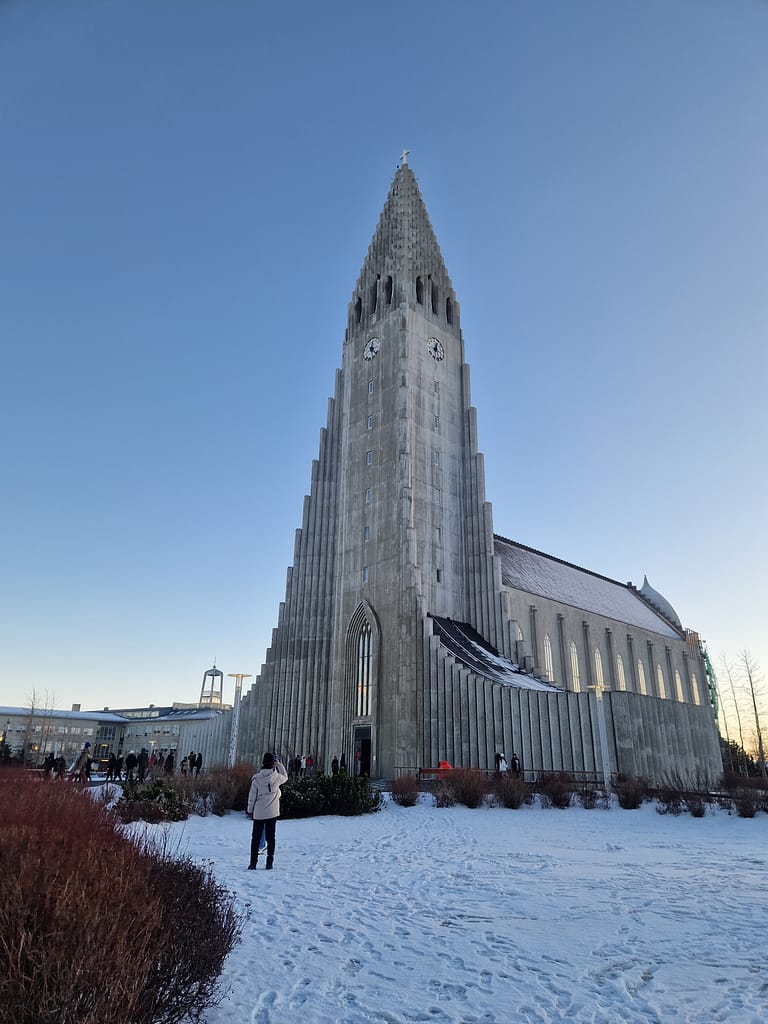
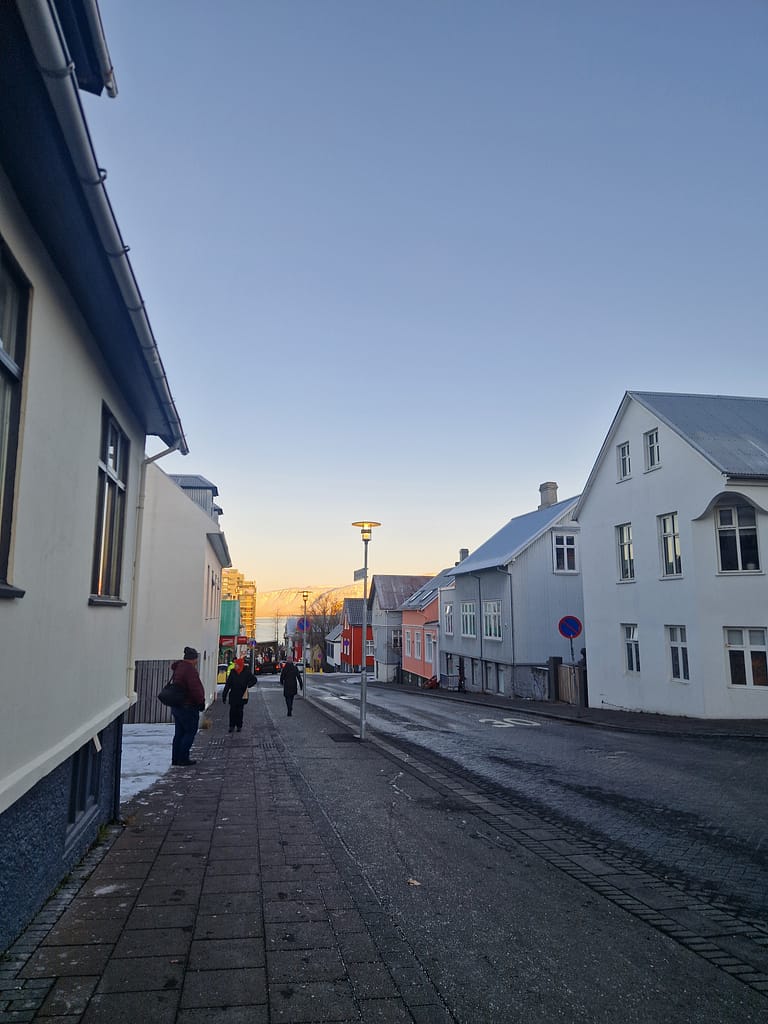
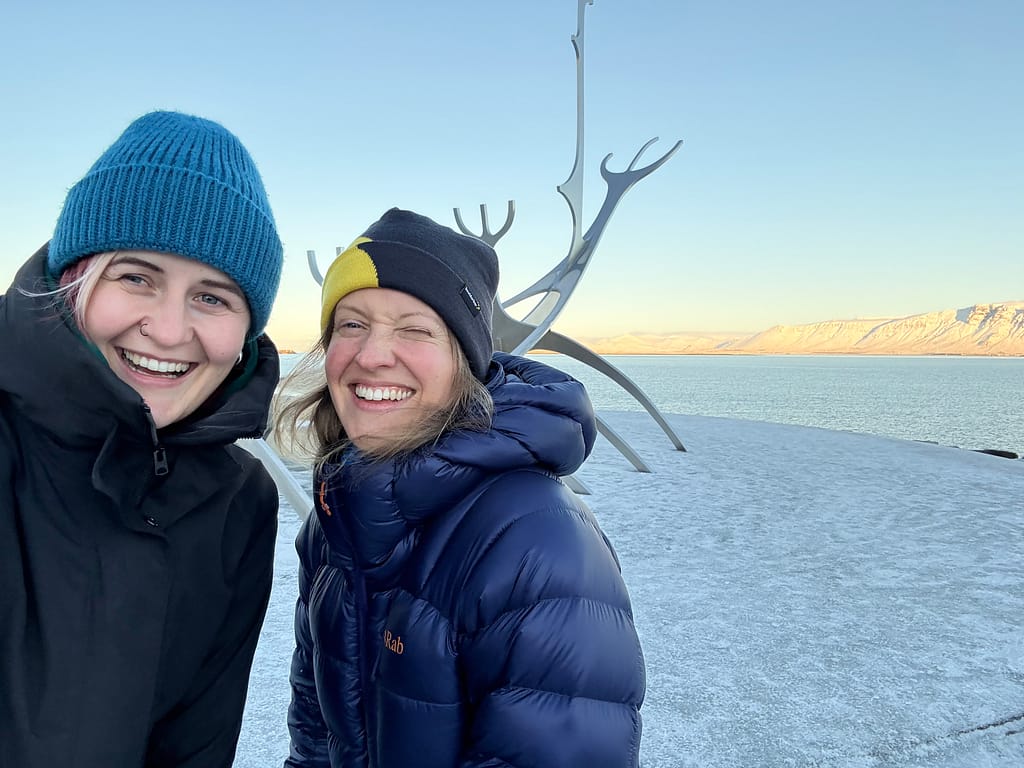
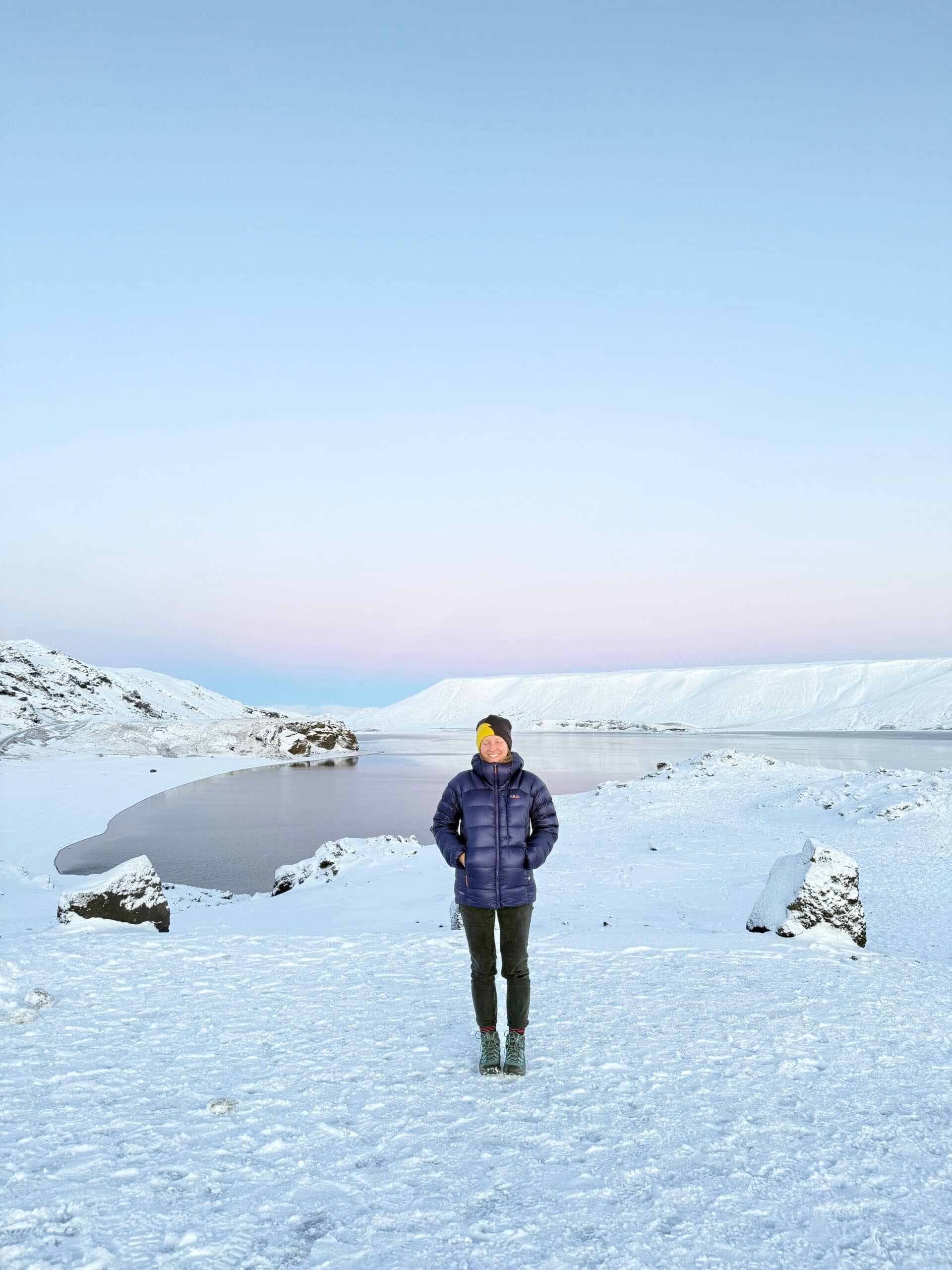
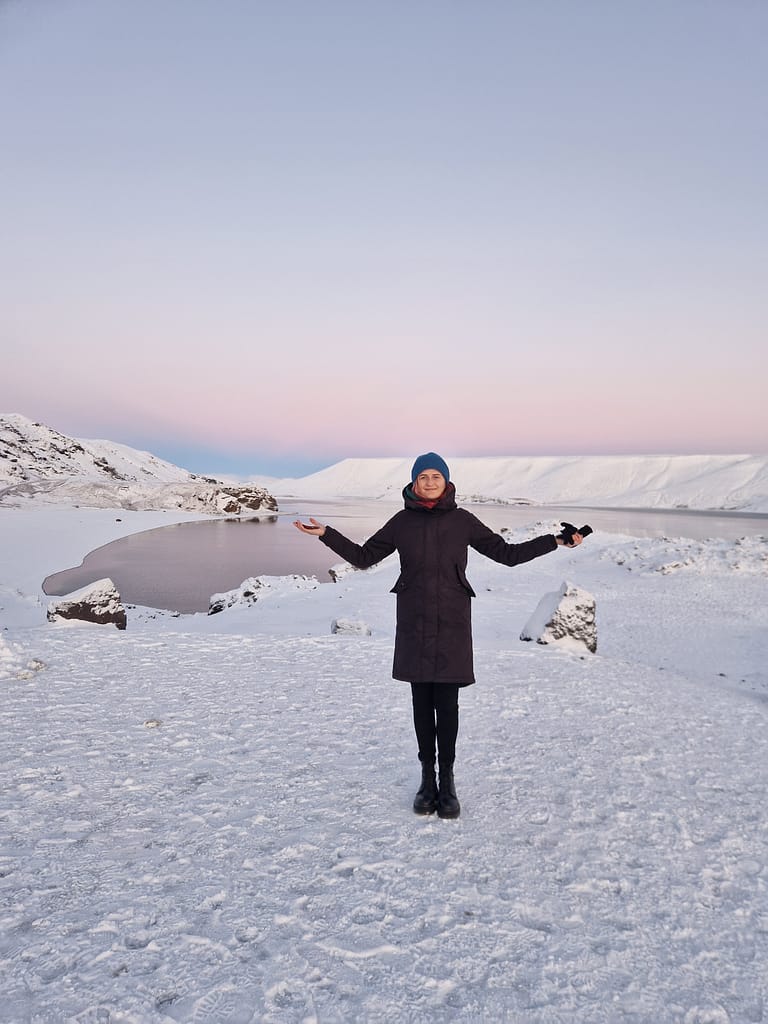
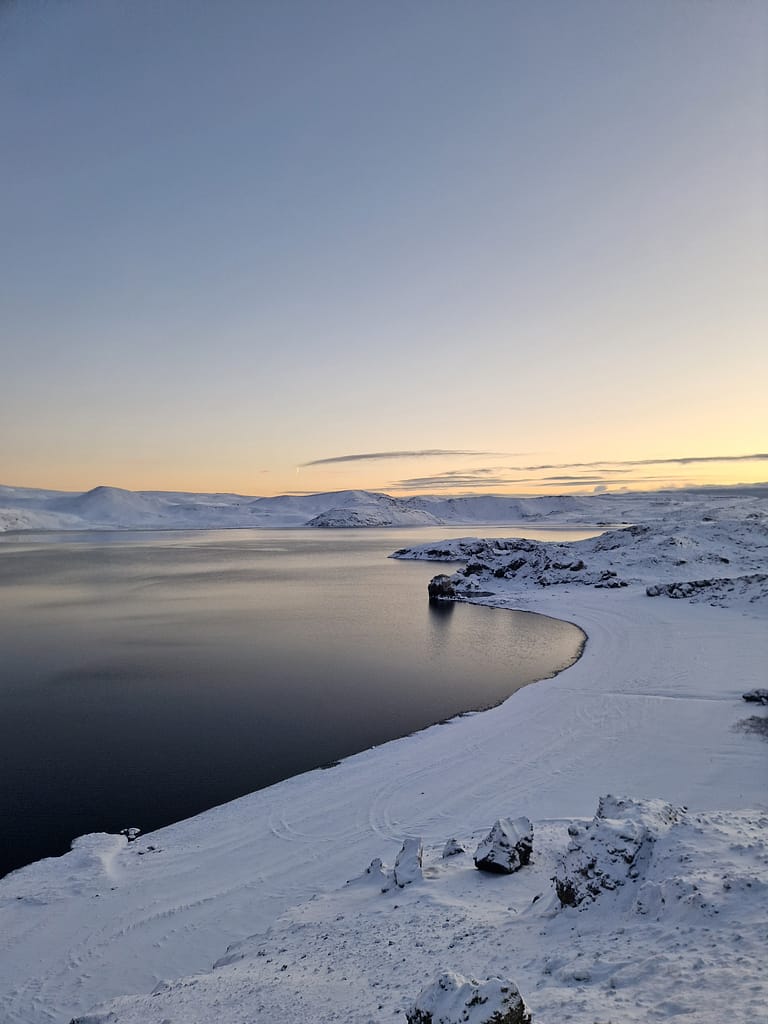
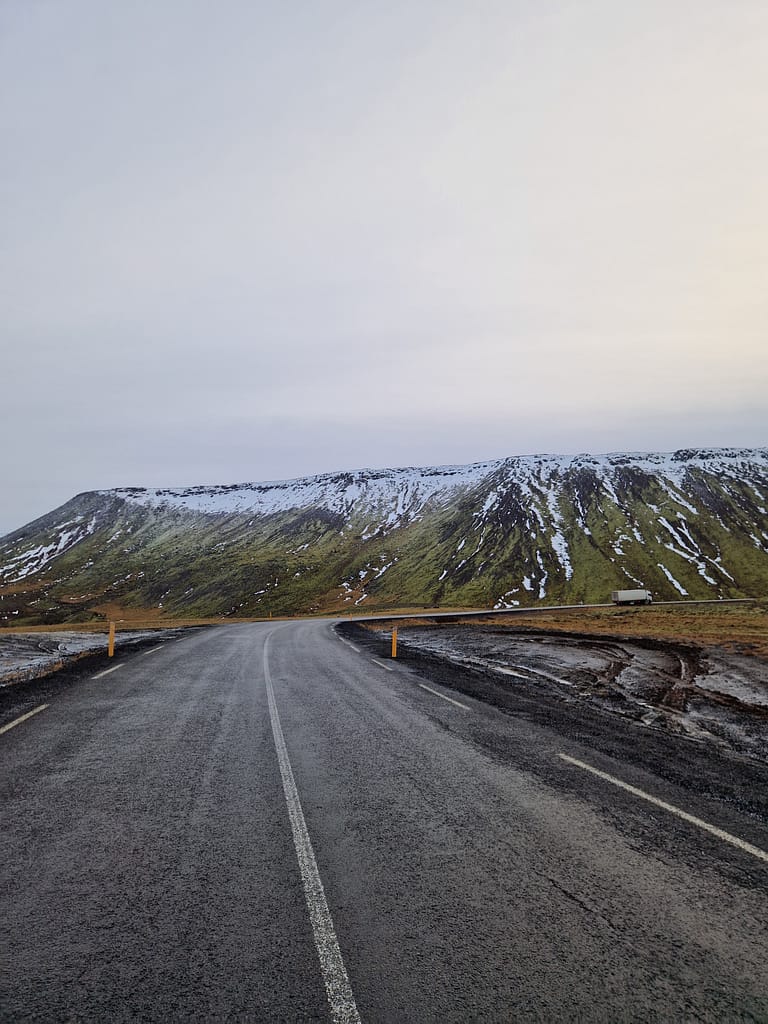
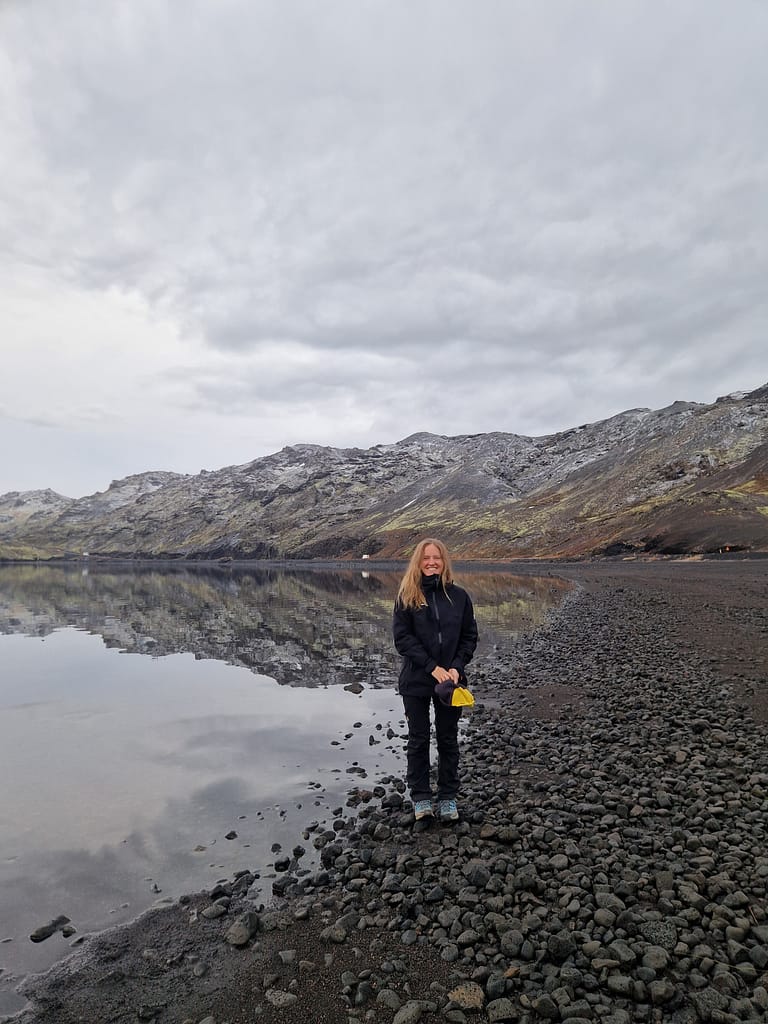
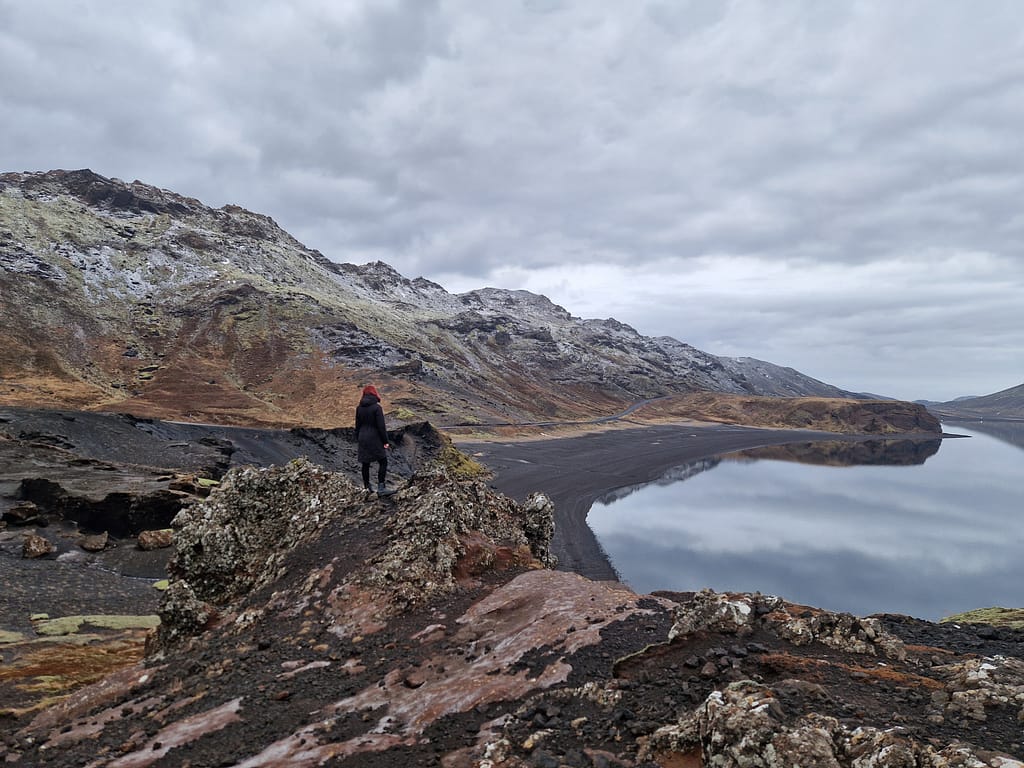
Since we landed quite early, we decided to drive around the outskirts. We had no specific goal; we just drove where our eyes led us. Just 40 minutes from the city, we stopped at Kleifarvatn (Rock Lake). This lake has no visible inlets or outlets; it is fed entirely by underground springs.
My eyes could hardly believe what they were seeing. White earth, pink sky. These pastel colors aren’t common when you fly in from a country where, for most of the winter, the sky is covered in heavy, gray “cepelin” clouds. We spent our first day simply walking through snowy fields, admiring the stunning natural landscapes.
Iceland in Winter Day 2: The Journey to Vík and “All-Day” Golden Hour
On the second day, we woke up quite early and headed toward the town of Vík (Marshy Valley Bay). This is the southernmost town in Iceland, and though it is sparsely populated (300–400 people), it is a frequent stop for travelers. Vík sits right below the Katla volcano.
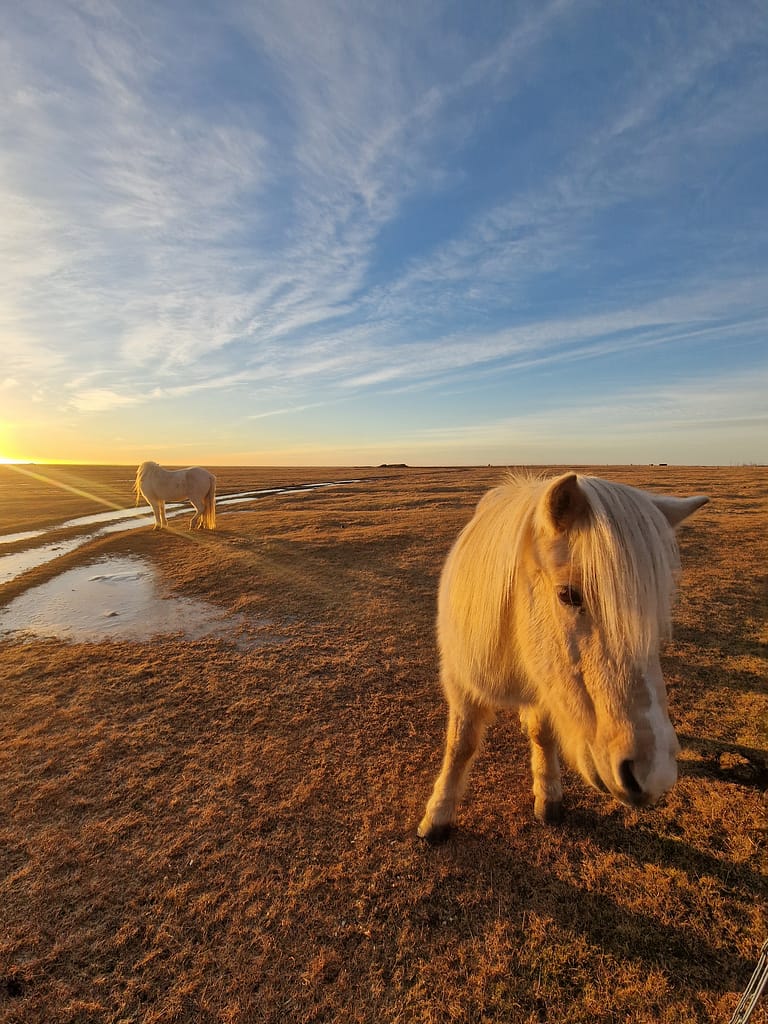
On the way, we stopped at sites we saw on the map or wherever something caught our eye. What surprised us most was the sun hanging low in the sky all day, like a permanent evening sun, which was incredibly stimulating for the eyes. Everything was exceptionally beautiful, no matter where we looked. It was essentially a day-long sunset. Honestly, it didn’t matter what we visited because everything was just unbelievably gorgeous at all times.
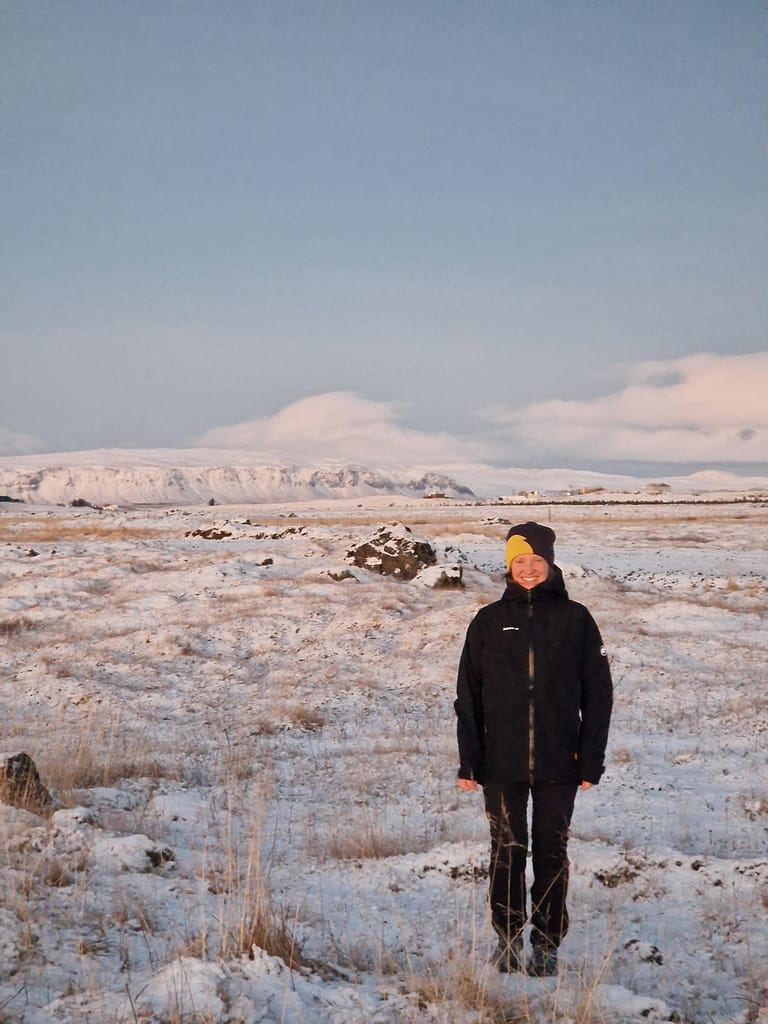
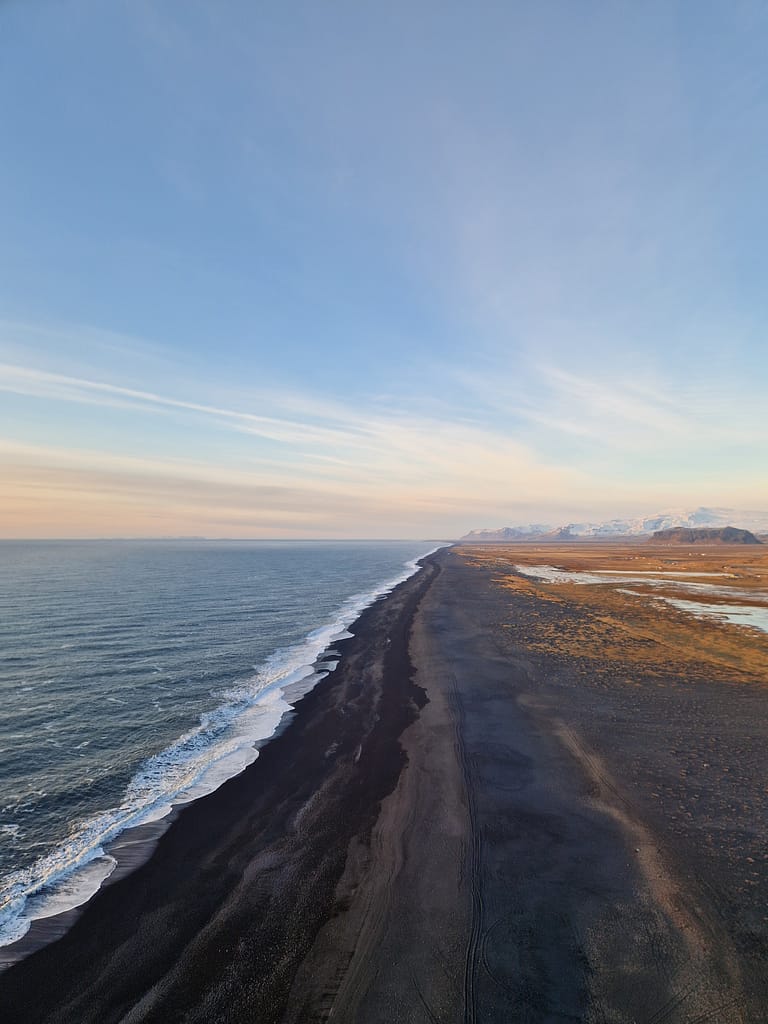
Near Vík, we stopped at the endless Dyrhólaey black sand beach. We walked the paths that offered stunning views of the Dyrhólaey rock arch and the surrounding mountains. In the summer, this beach is a perfect place to spot Atlantic puffins, but we didn’t see any in the winter.
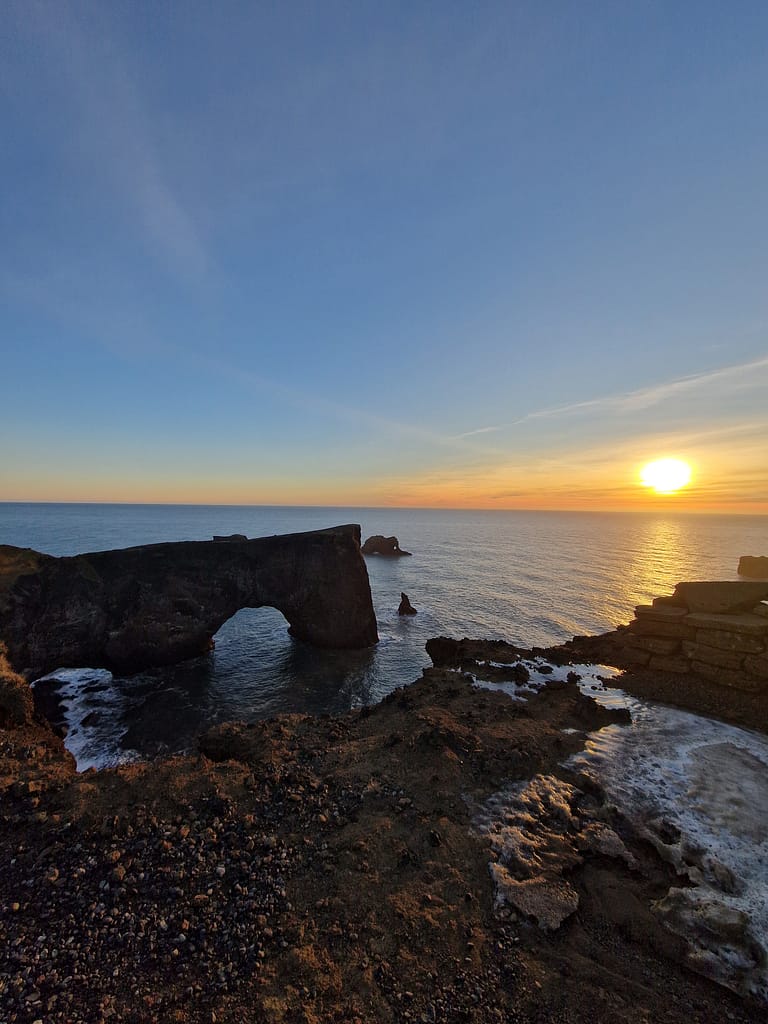
We also stopped at the Hálsanefshellir cave, next to which are the Reynisdrangar basalt columns—the very ones that inspired the architects of Hallgrímskirkja. The ceiling and walls of the cave are made of these same columns.
Note: You need to be careful here. Both the cave and the basalt columns are very close to the ocean, which can surprise you with sudden and unexpected “sneaker waves.” Never turn your back on the ocean and keep a close eye on the situation.
2026 Update: the Hálsanefshellir cave is, sadly, closed. Due to heavy winter storms the sand beach was washed out and the cave now is filled with water. Therefore, it’s inaccessible for visitors.
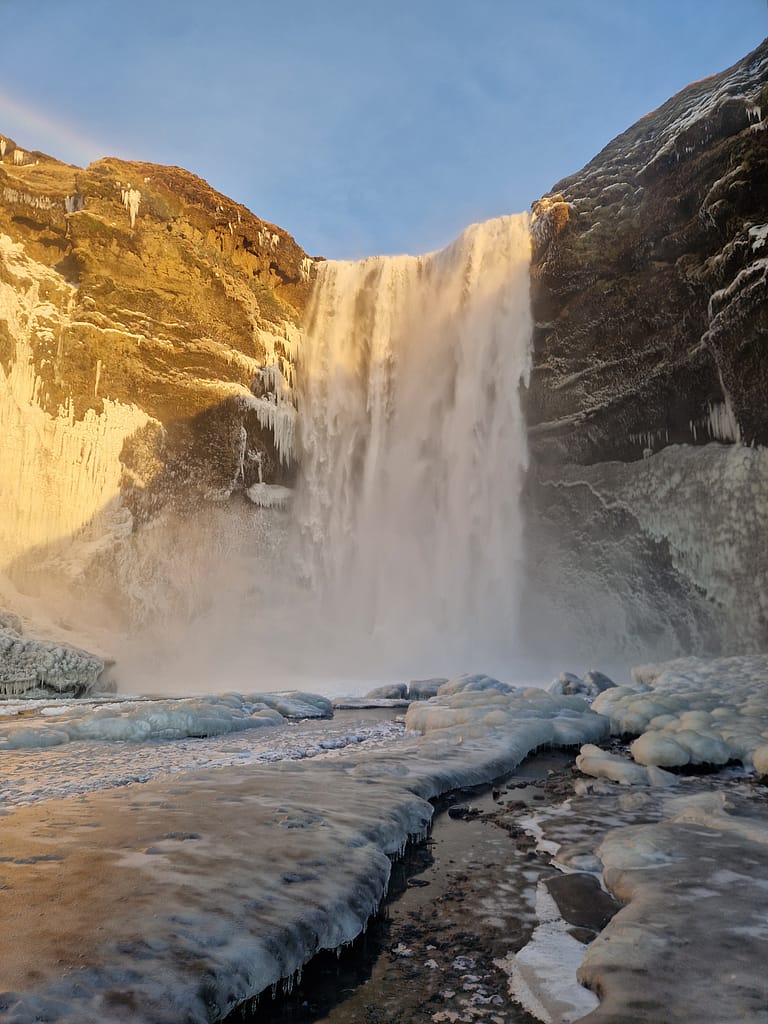
We also visited the magnificent Seljalandsfoss waterfall. It is one of the few waterfalls where you can walk behind the flow. However, this is only possible in summer. In winter, this path is closed due to a thick layer of ice and giant icicles. Nearby is the Gljúfrabúi waterfall, unique because it is tucked away inside a canyon.

Iceland in Winter Day 3: Rain and Wind in Thingvellir National Park
Weather in Iceland is unpredictable, and the third day dawned so poorly we didn’t even want to poke our noses outside—it was raining and blowing a gale. In fact, travel was discouraged in certain parts of the island. You can track warnings about dangerous weather conditions on the Icelandic Met Office website.
After looking for a place where the wind might not blow us away, we headed to Thingvellir (Assembly Fields) National Park. This is a site where:
- The first Icelandic parliament was founded in 930 AD.
- In the 17th century, executions were carried out on women convicted of witchcraft (witches).
- In 1944, Iceland’s independence from Denmark was declared.
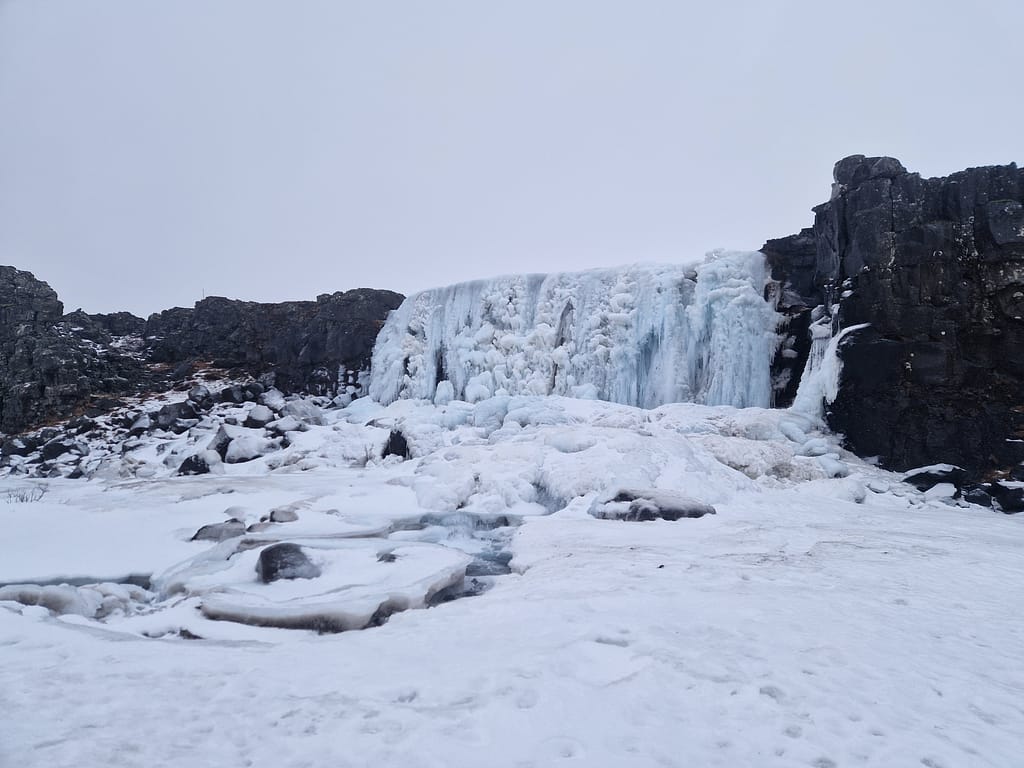
Quite a colorful historical heritage. Upon arrival, we headed to the Almannagjá (Everyman’s) gorge. It’s fascinating because it lies between the North American and Eurasian tectonic plates. Walking through Almannagjá means you are walking in a rift between two continents! Minor shifts occur here from time to time, requiring paths to be rerouted, so the landscape is constantly changing.
During our visit, the paths in the gorge were covered in ice, so we moved at a snail’s pace. When gusts of wind hit us, we slid along the paths seemingly without any effort! (You can see a video of how this looked on the solokeliones Instagram account). I would highly recommend having microspikes when visiting this place in winter. Soaked to the bone, we finally gave up and headed back to the city to explore Reykjavik.
In Reykjavik, we visited the Perlan interactive nature museum. It features a real ice cave, a Northern Lights planetarium, and a 360° observation deck. The dome of this building sits on six huge tanks that the city used for decades to store geothermal hot water. Some still hold water, while the empty ones now house the museum.
After the museum, we went to a bar to meet a friend of mine who has lived in Iceland for five years and loves the country dearly. She recommended we try an Icelandic, coffee-flavored dark beer—NR 78 Askur Milky Stout. As a fan of dark beer, I loved it, though I should warn you it’s strong—11.6%! For dinner, we went to 101 Reykjavik Street Food. Food in Iceland isn’t cheap, but it’s delicious. The fish is especially good; it’s incredibly fresh everywhere.
Iceland in Winter Day 4: Kirkjufell Mountain
On the fourth day, the weather improved. The fog cleared, though the wind still felt strong enough to knock you off your feet. We decided the day was best suited for exploring by car. We headed to the symbol of Iceland—Kirkjufell mountain.
Kirkjufell (Church Roof) is unique in its shape. When viewed from the Kirkjufellsfoss waterfalls, the mountain looks like a perfect pyramid. It is also a perfect example of how moving glaciers can shape the earth’s surface. Kirkjufell was once a nunatak—a rock that protruded above the surface of the glacier.
Fun fact for Game of Thrones fans: Kirkjufell appeared in the series as the place where the White Walkers were created. In the show, it’s called “Arrowhead Mountain.”
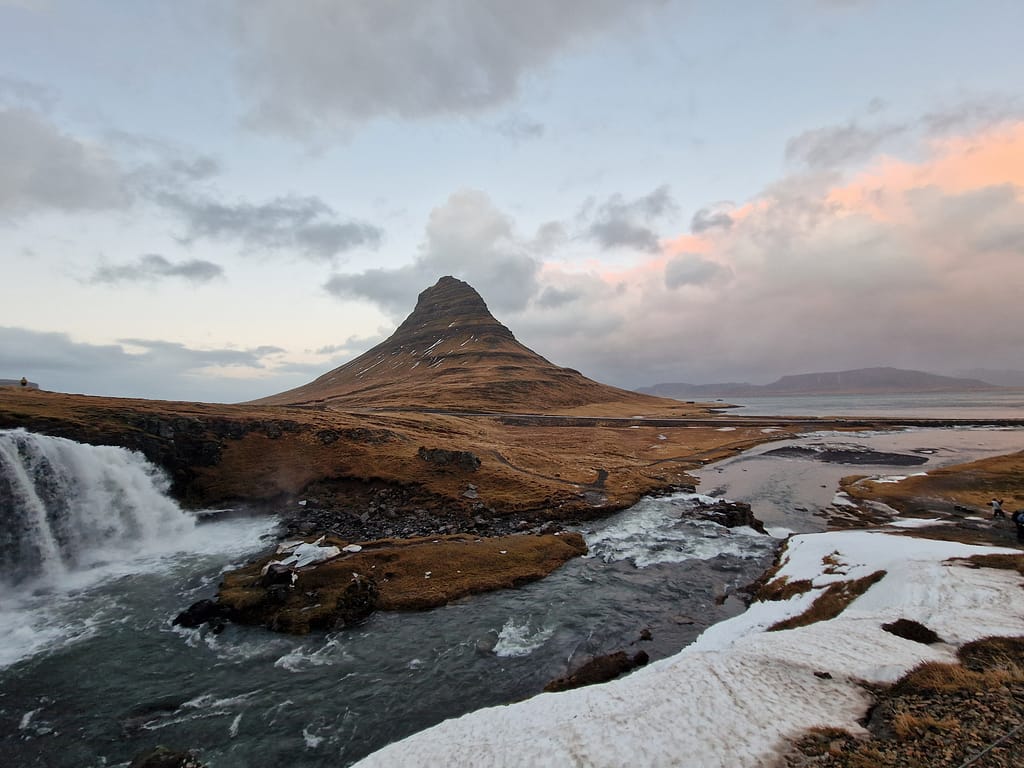
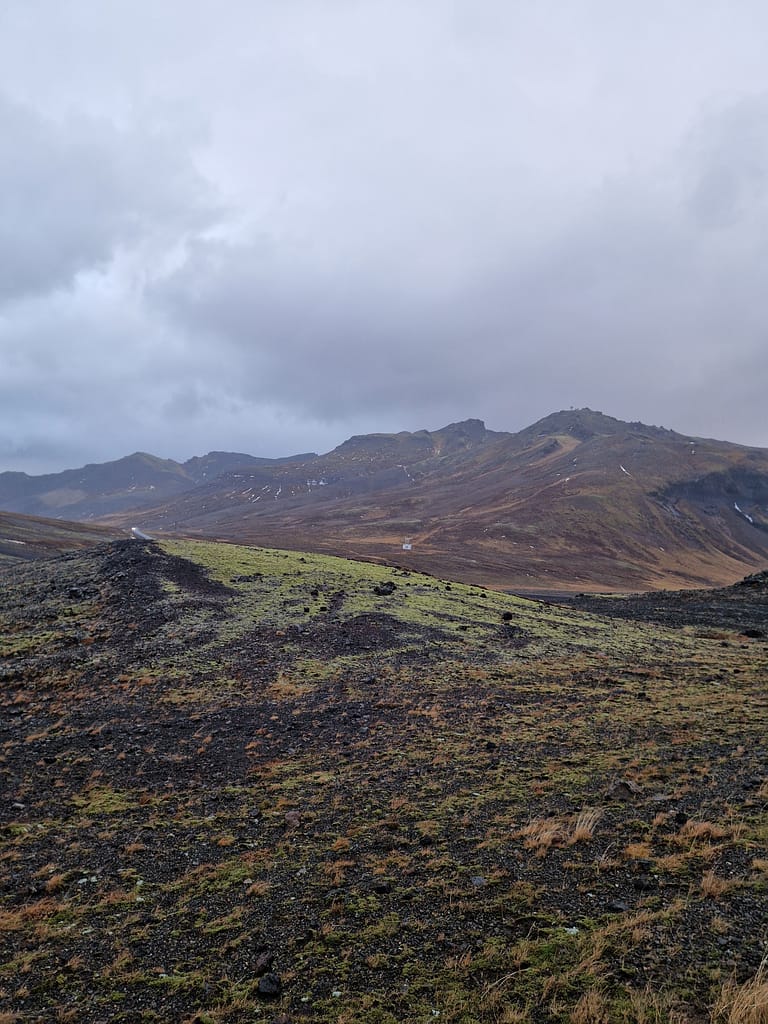
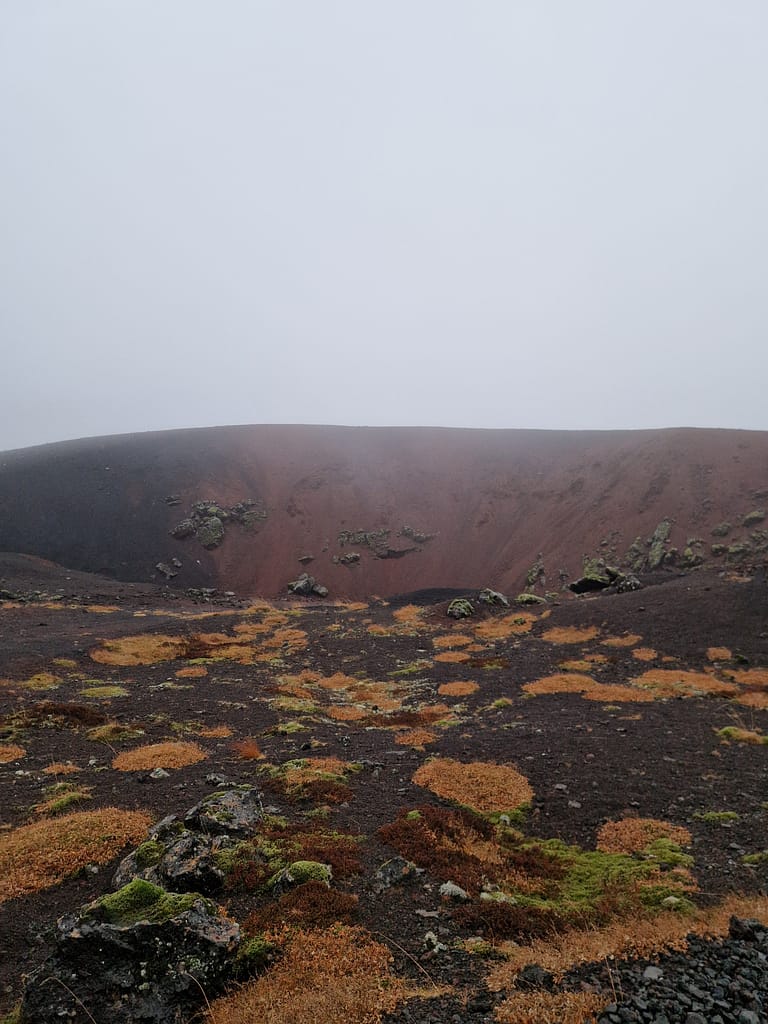
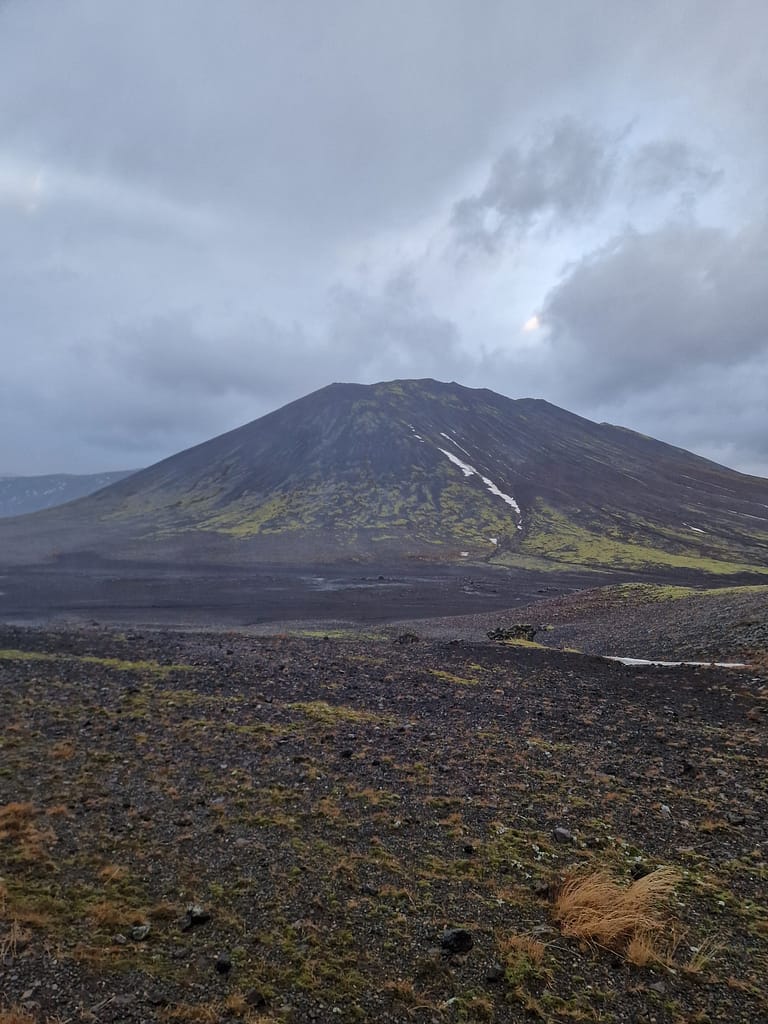
The entire road to Kirkjufell was incredibly beautiful. The landscape is unique—volcanoes here, lava fields there. Snow in one spot, gone in the next. Green, black, red—sometimes all colors at once. It felt like we were driving through a movie. We listened to Sigur Rós and decided that it’s no wonder so much amazing music is born in Iceland when everything is so indescribably beautiful. Photos simply don’t do the beauty or the feeling justice.
Iceland in Winter Day 5: Kleifarvatn Lake and the Sigur Rós Concert
On the fifth day, we had some free time before the concert, so we decided to retrace the paths of our first day and stop by the lake where we watched the pastel sky blend into the frozen hills.
What we saw surprised us AGAIN—and I suppose we should have stopped being surprised by how stunningly beautiful Iceland is. The places we had already driven through had changed beyond recognition in just a few days. First, we climbed Helgafell (Holy Mountain). On the way, we also explored the 900m long Leiðarendi (End of the Road) lava cave.

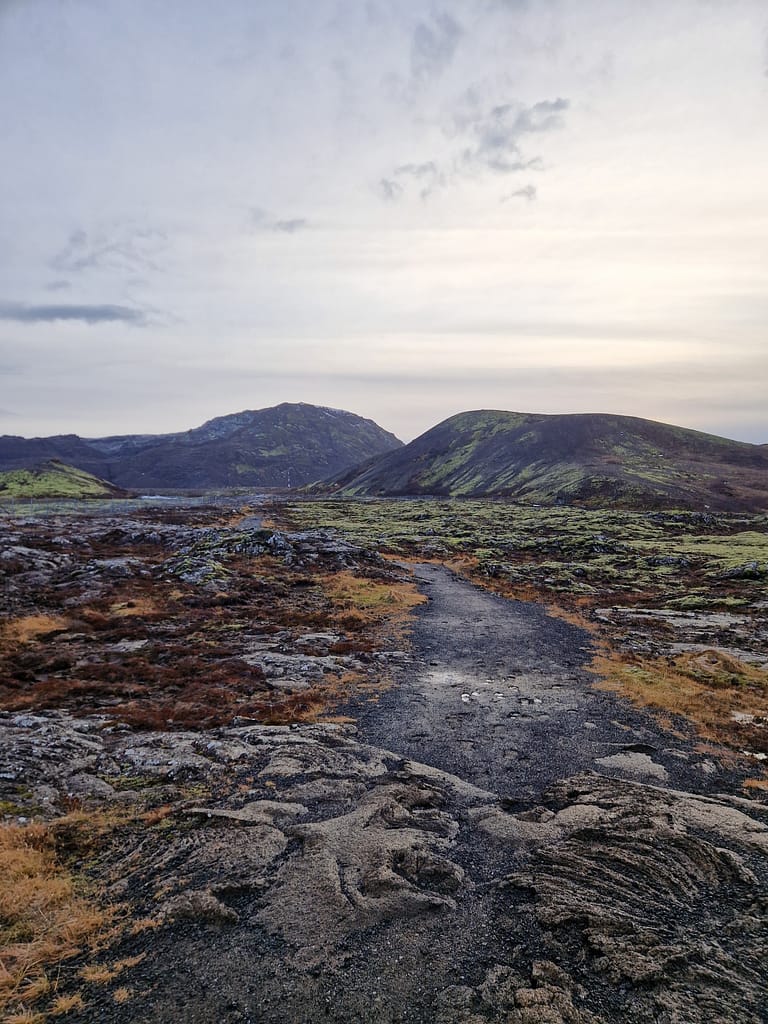
Later, we drove to Lake Kleifarvatn, which looked like a completely new place. With the snow melted, a whole palette of colors opened up on the earth’s surface.
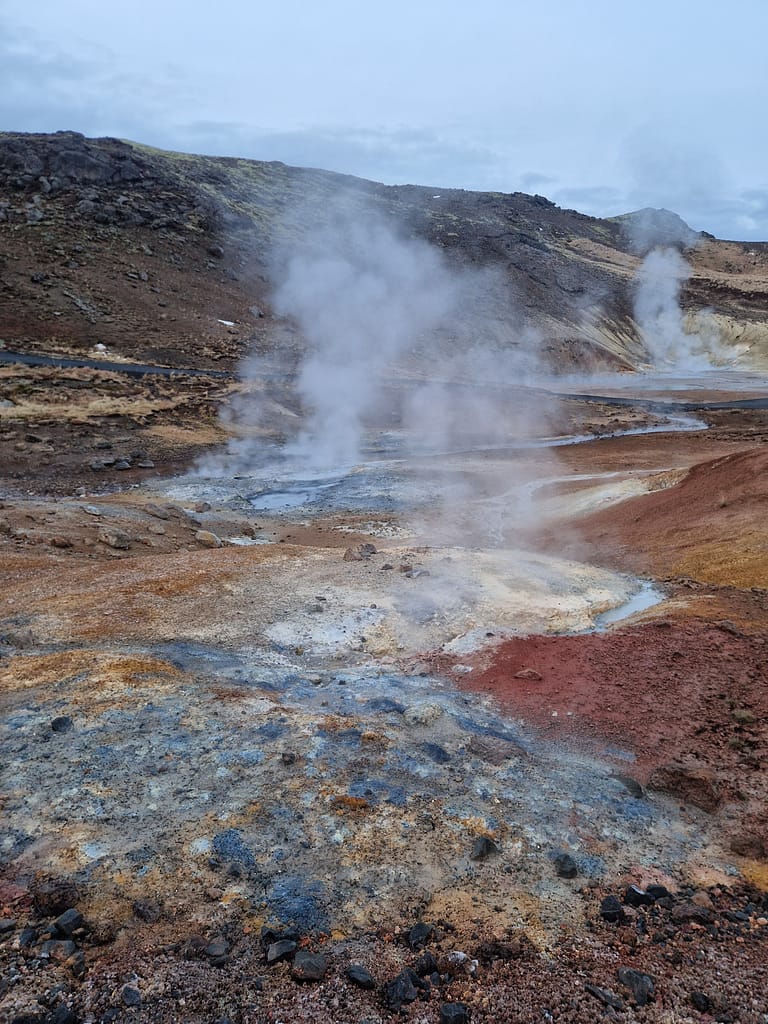
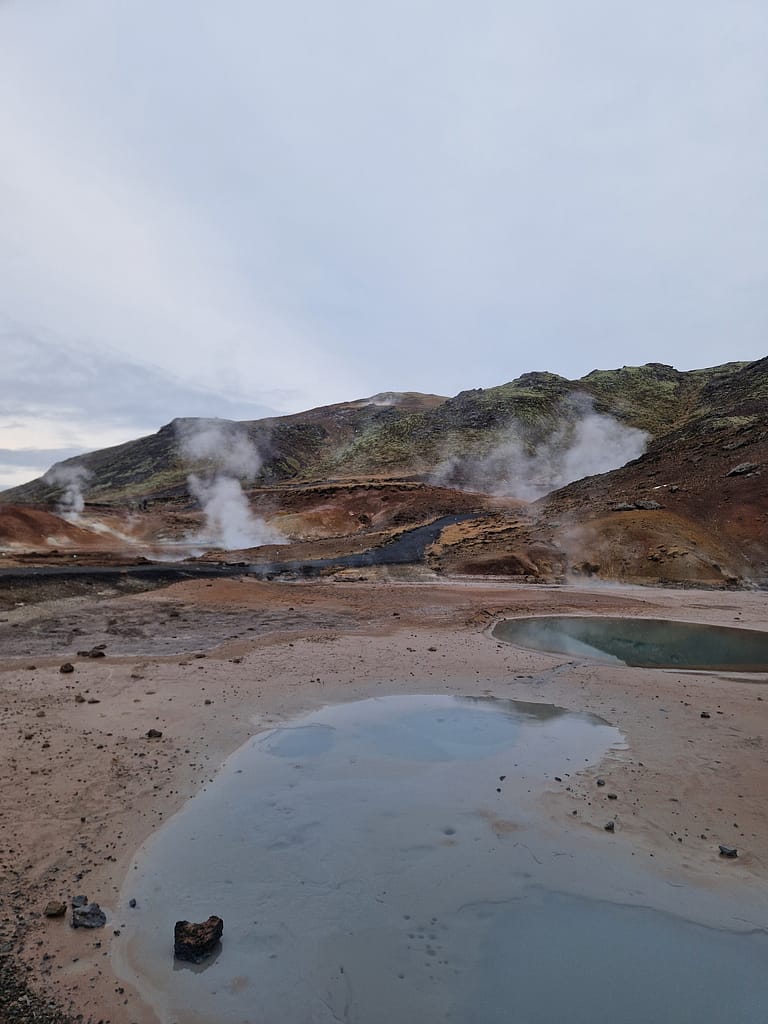
We drove a bit further this time and reached the Seltún geothermal park, which was shrouded in the scent of sulfur.
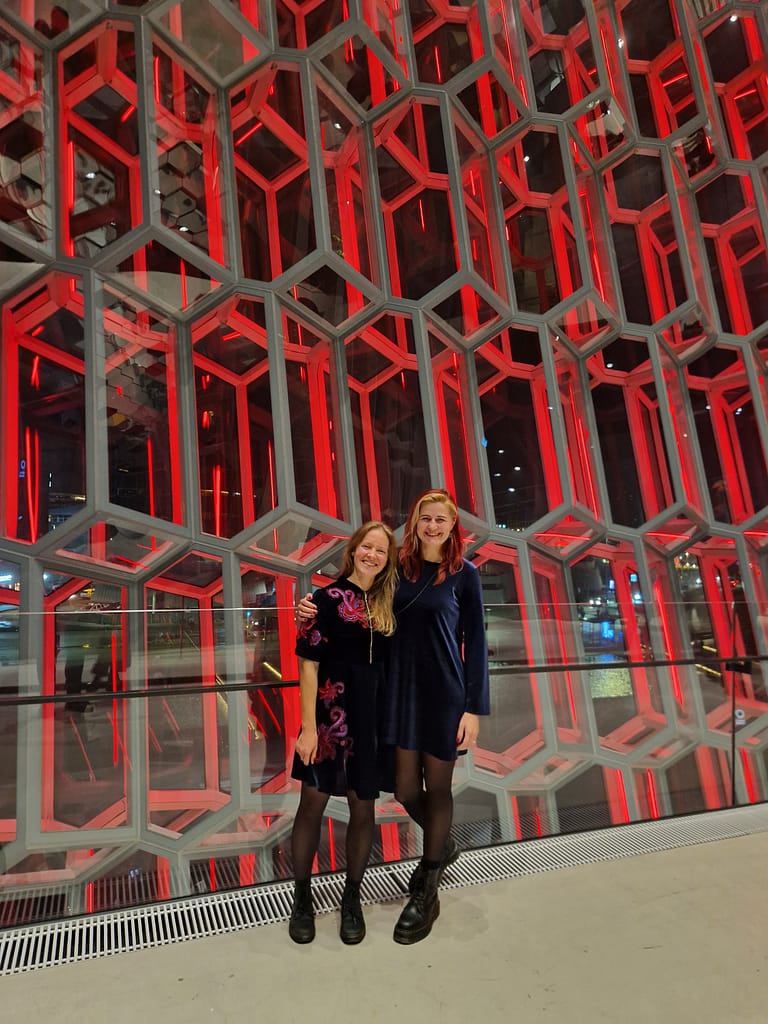
We ended the day with the Sigur Rós and Symphony Orchestra concert, held at the Harpa concert hall in Reykjavik harbor. It is a stunningly beautiful building with a glass facade designed by artist Ólafur Elíasson, echoing the same basalt columns that inspired Hallgrímskirkja. I can’t find the words to describe the concert itself. I simply hope you get to experience it someday. ❤️

And that was our winter trip to Iceland. Enchanting, adventurous, and a constant invitation to return. Have you visited Iceland too? Share the place that left the biggest impression on you!
On Life and Mountains,